
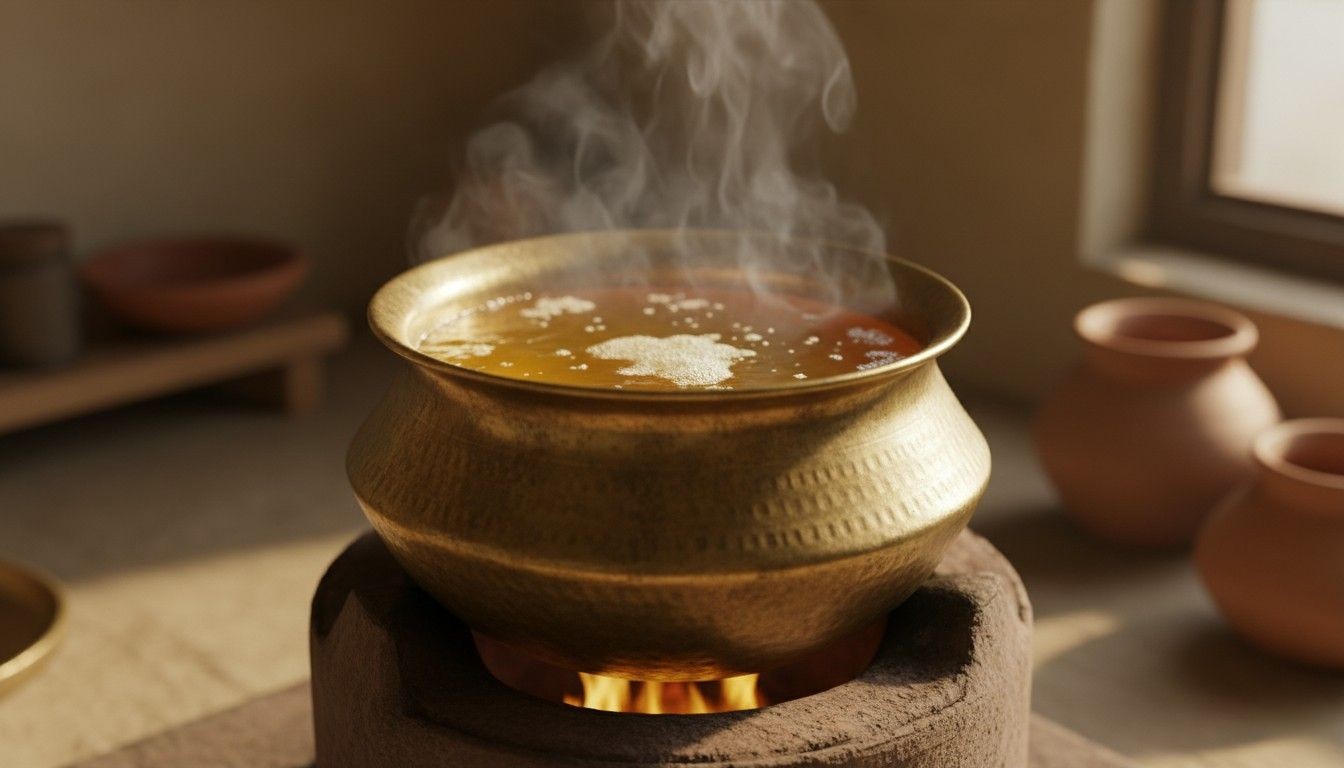
Not all ghee is created equal. While supermarket shelves are filled with mass-produced ghee brands, traditionally made ghee stands apart in taste, aroma, and quality. Understanding this difference helps consumers make better choices.
The Traditional Method
Traditional ghee is made by slowly heating butter derived from cultured curd. This slow process allows moisture to evaporate naturally and milk solids to settle, resulting in pure golden ghee with a distinct aroma.
Factory-Processed Ghee
In contrast, factory-produced ghee often relies on high-speed processes and shortcuts to meet large-scale demand. While efficient, these methods may compromise flavor and texture.
Superior Aroma and Flavor
Traditional ghee has a nutty, rich aroma that comes from slow caramelization of milk solids. This aroma is often missing in factory-processed alternatives.
Better Nutritional Value
Slow-cooked ghee retains more nutrients and natural fatty acids. Rapid processing can affect the quality and balance of these nutrients.
Digestibility
Traditionally prepared ghee is easier to digest due to its natural preparation process. Many people find it lighter and more suitable for daily consumption.
Trust and Transparency
Traditional ghee-making focuses on quality over quantity. Brands that follow these methods often maintain strict quality standards and sourcing practices.
Conclusion
When it comes to ghee, tradition matters. The time, care, and process used in traditional preparation create a product that not only tastes better but also nourishes the body more effectively.